- ConversationsQuick advice
- EmailsTips and feedback
- MeetingsShared insights
- NotebooksPersonal notes
- Individual memoryContext that fades
 PeerReceiptsSearchable experience
Why Peer Receipts exists
From scattered experience to shared context.
From quick conversations to detailed notes, scientists generate practical knowledge every day. Peer Receipts gives that experience a place where others can find and learn from it.
Not amarketplace.
No buying or selling.
Not avendor directory.
No sponsored listings.
Not just anotherreview site.
More context. Less noise.
About Peer Receipts
The problem is not lack of information. It is lack of usable experience.
Scientific information is abundant. What scientists often lack is the practical context that turns scattered information into usable insight.
The information landscape
Scientific information is everywhere.
There is no shortage of product information, publications, protocols, and vendor materials.
- SpecificationsTell you what a product is designed to do.
- PublicationsShow what was demonstrated under defined experimental conditions.
- VendorsExplain what a product offers.
The missing piece
Practical experience is harder to find.
Peer experiences show how tools perform, fit, and work together in practice.
- What was it actually like to use?
- Where did it perform well?
- Where did it fall short?
- What did it work well with?
- What did the workflow depend on?
- What would you change next time?
Why stacks
Scientific decisions rarely happen one product at a time.
Tools, reagents, software, and services rarely work in isolation. Their value depends on how they fit together within a real workflow.
Individual Receiptspreserve product-level experience.
Receipt Stackspreserve the relationships between those experiences.
Individual Receipts
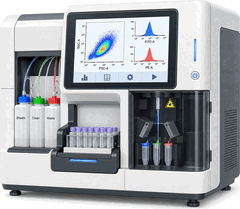 InstrumentCell Analyzer“Reliable and easy to use. Great data quality and support.”
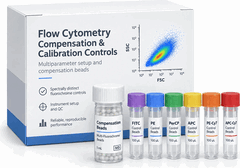 ReagentFlow Cytometry Reagent Kit“Works well with our panel. Stable and consistent performance.”
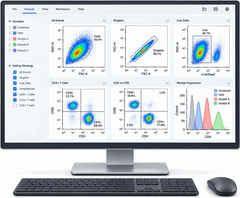 SoftwareAnalysis Software“Powerful features but takes time to learn. Integrates well with the instrument workflow.”
A Receipt Stack
Flow Cytometry Workflow
“This combination works seamlessly for our immune cell profiling. The instrument and reagent kit are well-matched, and the software makes analysis straightforward. Together they have significantly reduced turnaround time.”
- Immune cell profiling
- Research use
Stacks show how scientific tools work together.
- Reflect real-world workflows and dependencies
- Highlight what actually works well together
- Surface trade-offs and constraints
- Help scientists make more informed decisions
The context behind the score
The same product can be the right fit in one context and the wrong fit in another.
An ELISA kit used for exploratory biomarker screening may be evaluated differently from one used in a regulated QC environment. A kit that works well for small-batch research may be too variable or too slow for a high-throughput standardized workflow.
That is why Peer Receipts connects opinions to the circumstances behind them — use case, environment, duration, workflow, contributor background, trade-offs, and outcomes.
- Excellent for our context.

 Human IL-6 ELISA Kit
- Use caseExploratory biomarker screening
- EnvironmentAcademic research lab
- Duration8 months
- WorkflowManual plate-based assay
- ContributorResearch associate
- Used withPlate washer and microplate reader
- Trade-offsFlexible protocol, moderate hands-on time
- OutcomeReliable detection in our sample set
“Reliable for exploratory biomarker work. Clear standard curves and consistent signals in our hands.”
- Low background
- Reliable detection
- Good fit
- Not the right fit in our context.Human IL-6 ELISA Kit
- Use caseLot release support
- EnvironmentRegulated QC lab
- Duration5 months
- WorkflowHigh-throughput testing
- ContributorQC scientist
- Used withAutomated washer and reader
- Trade-offsSensitive to handling, tight run window
- OutcomeNot robust for our requirements
“Acceptable for research use, but we needed tighter consistency and robustness for our QC workflow.”
- Lot variability
- Poor QC fit
- Better alternatives
- Contributor backgroundRole and experience
- EnvironmentAcademic or regulated
- DurationShort or long term
- Use caseWhat it was used for
- WorkflowHow it was integrated
- Trade-offsWhat worked and what didn’t
- OutcomesResults and impact
Our trust model
Anonymous sharing. Verified contributors.
Scientists should be able to speak candidly while still knowing contributions come from verified members of the scientific community. Peer Receipts separates professional verification from public identity.
Professional background is verified
- Work email on a professional domain
- Scientific organization and industry
- Role and focus in the scientific community
Verified scientist
Public identity protected
PeerReceiptsAnonymous contributor
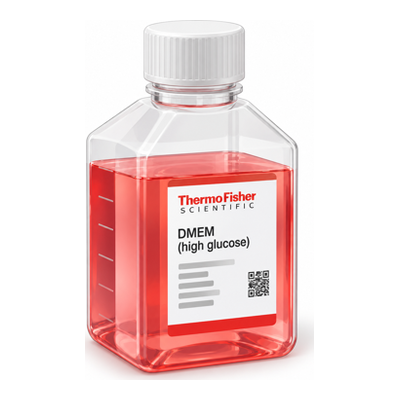 Cell Culture Media“Consistent growth across passages. The colour change is easy to read, and we’ve seen good consistency between lots.”
- Cell culture
- Reagents
- Workflow
The long-term vision
Building the memory layer for scientific practice.
Today, practical scientific knowledge is fragmented across people, labs, and workflows.
Our vision is to connect those experiences — products, conditions, workflows, outcomes, and trade-offs — into a shared layer of scientific context.
As that knowledge grows, Peer Receipts can reveal what works, where it works, what it works with, and what others learned along the way.
From isolated experience to a living map of scientific practice.
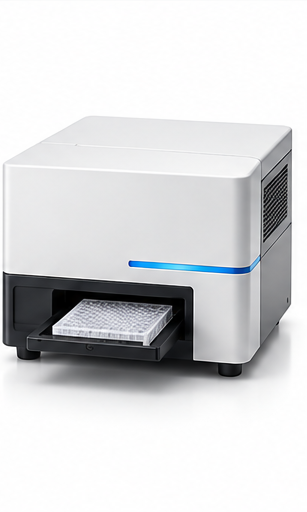
Plate Reader
142 receipts
- ApplicationsWhat scientists use it for
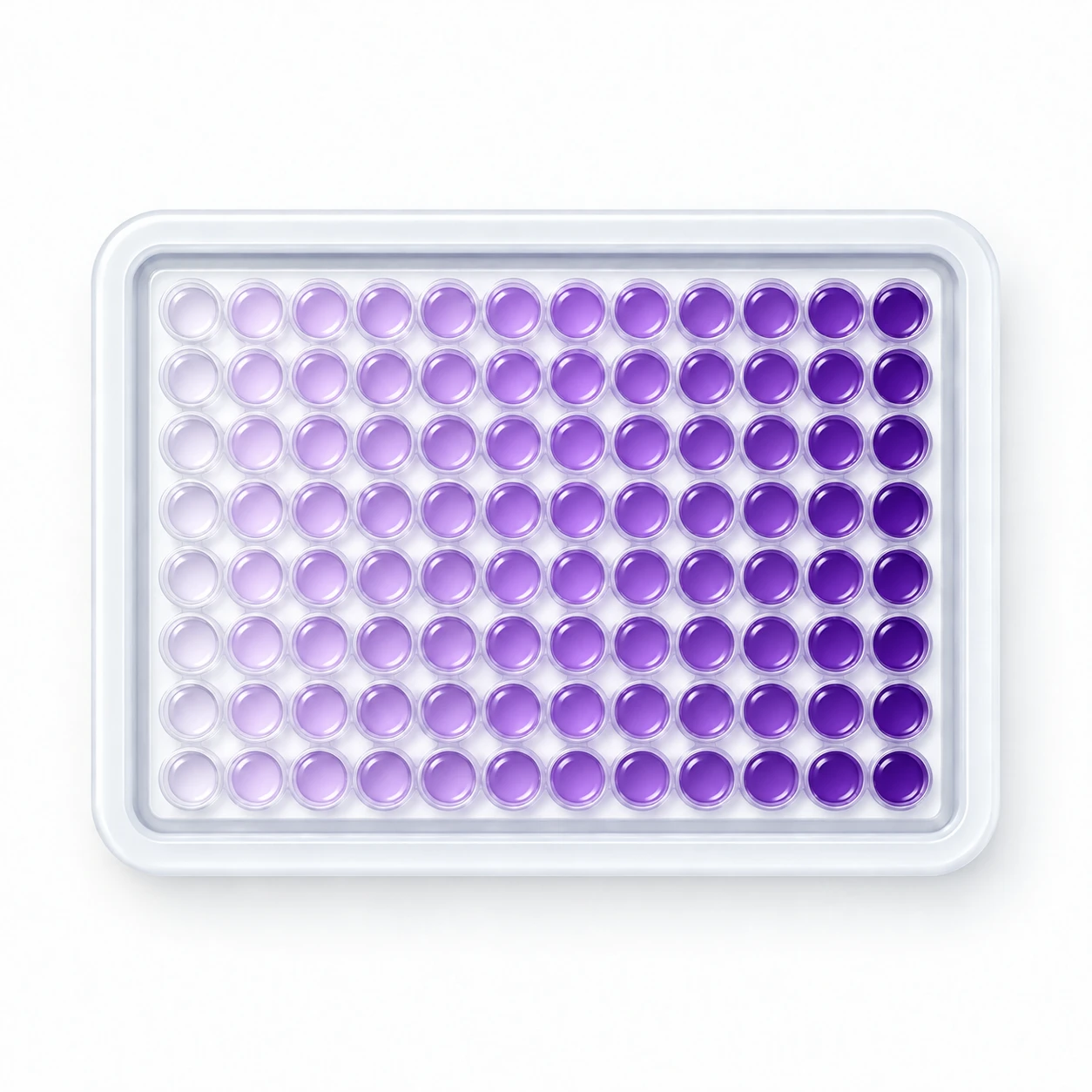 Cell viability (MTT/XTT)38 receipts
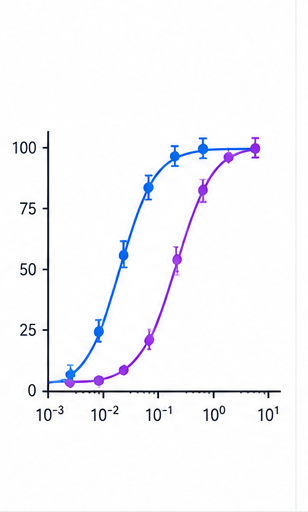 Dose–response assays31 receipts
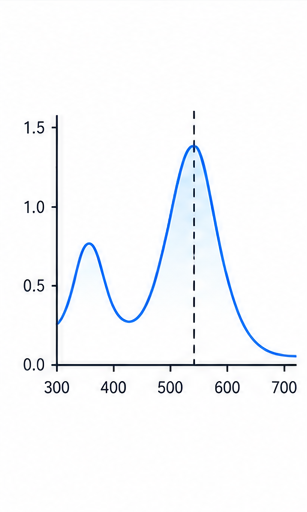 Absorbance scans27 receipts
- Reagents & consumablesWhat others use with it
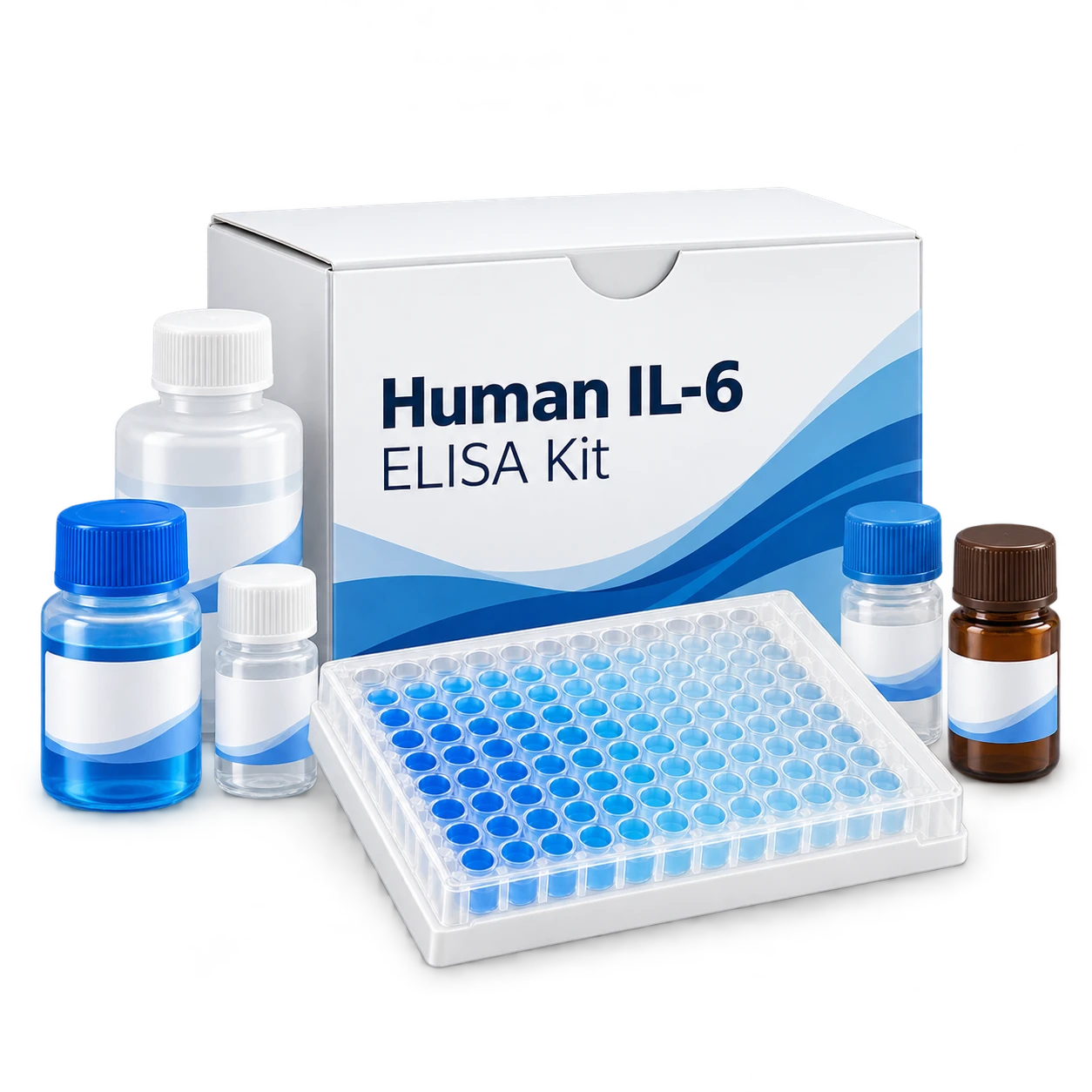 Assay kits (ELISA)34 receipts
 Detection reagents28 receipts
 Microplates (96-well)56 receipts
- Experimental conditionsHow results change with conditions
- Wavelength settings33 receipts
 Incubation settings29 receipts
- Plate type24 receipts
- Workflow contextHow it fits into the broader process
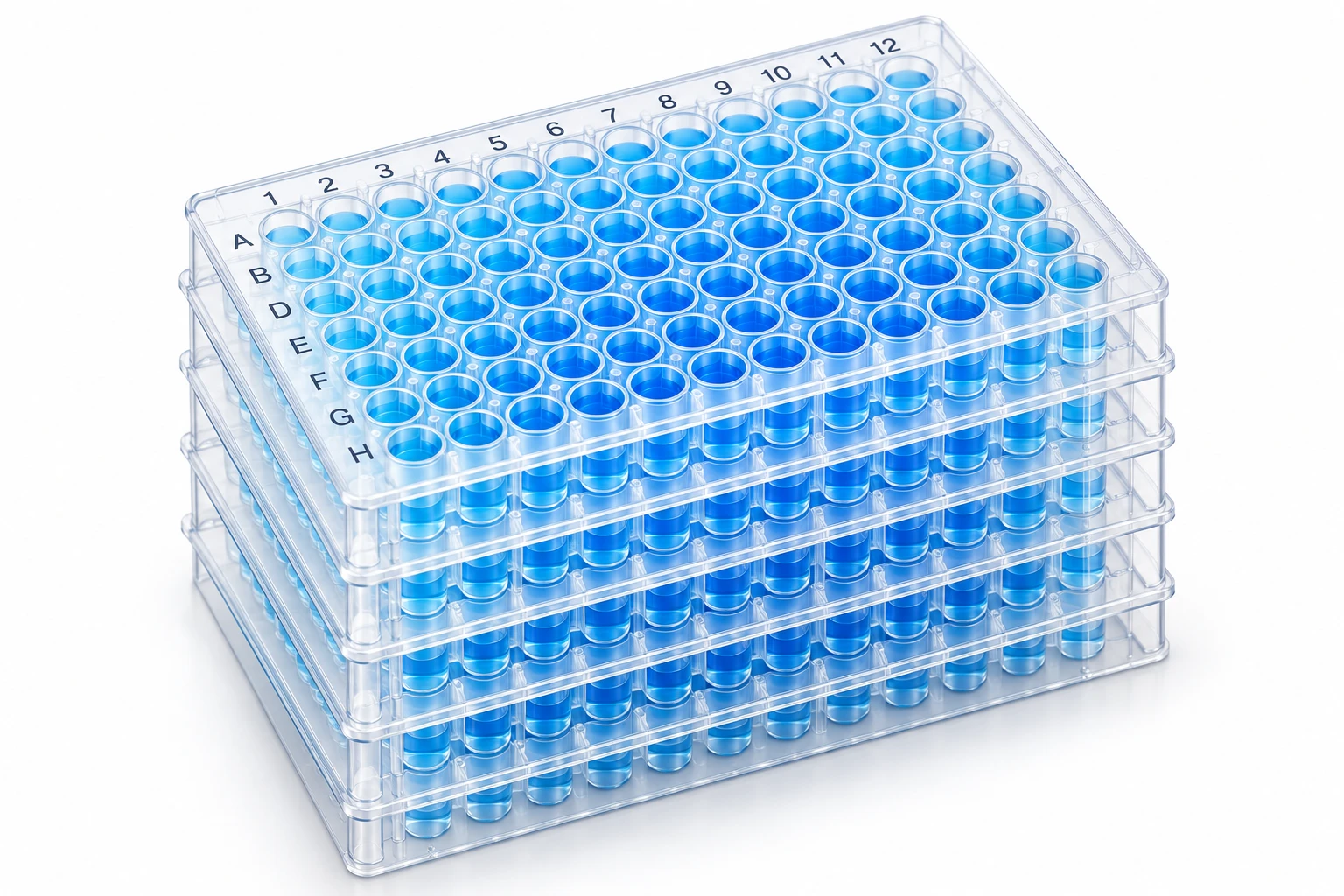 Manual assays61 receipts
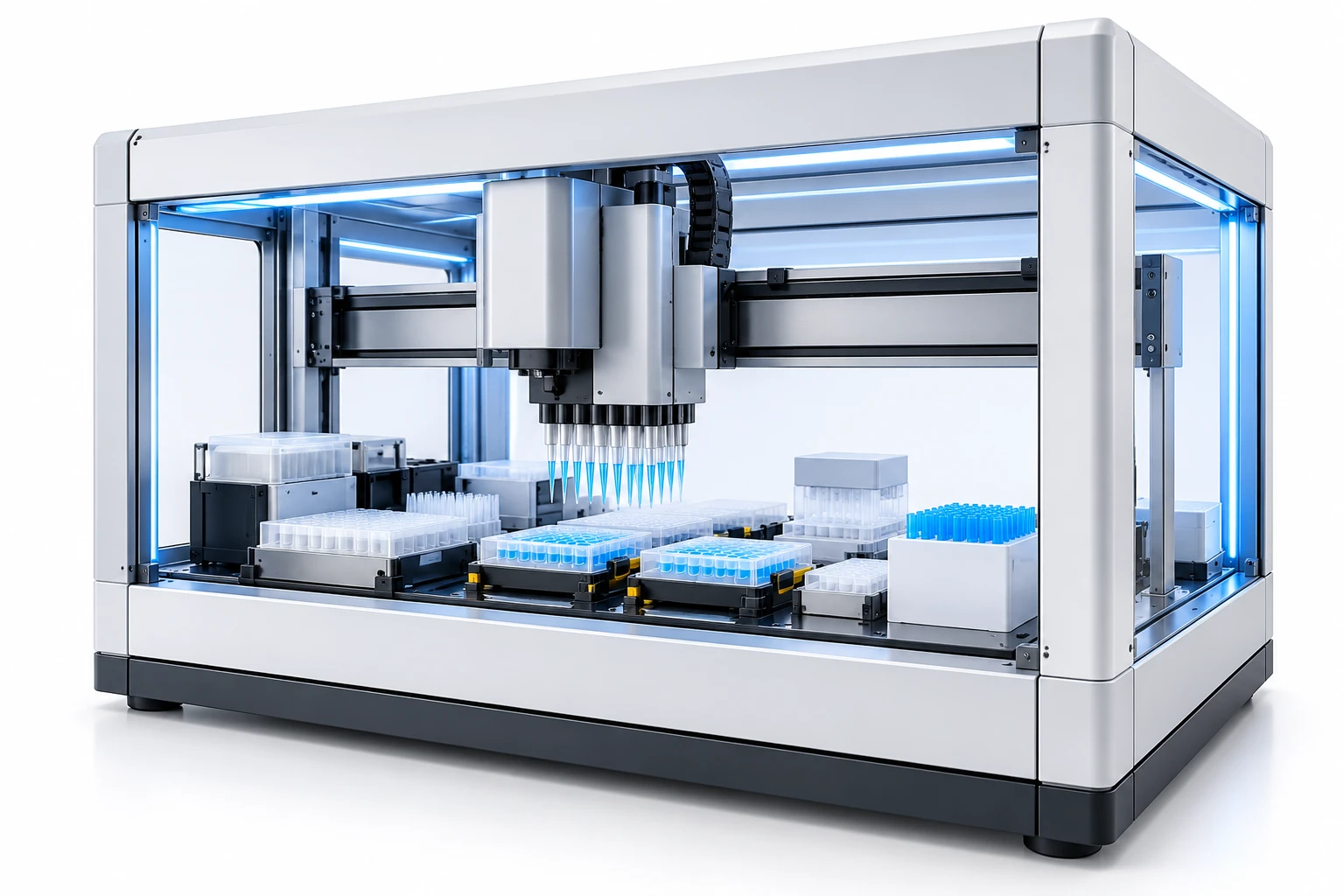 Automated assays48 receipts
- Kinetic assays37 receipts
- Outcomes & insightsWhat others observed
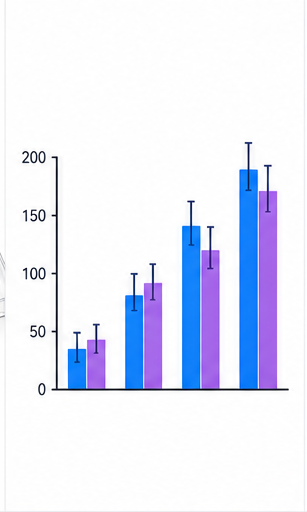 Signal-to-noise ratio49 receipts
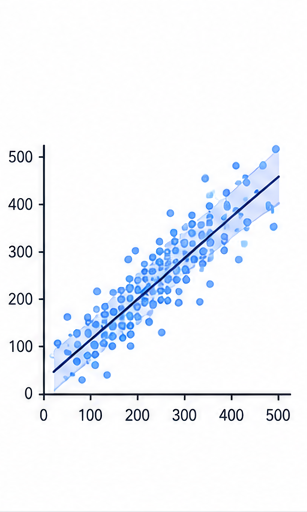 Reproducibility38 receipts
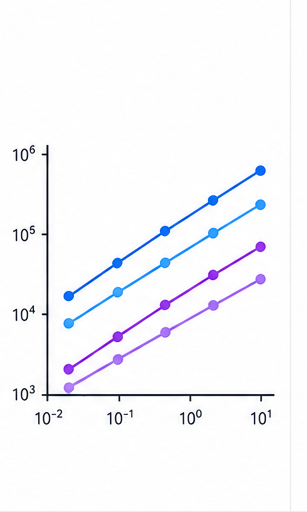 Dynamic range26 receipts
- Alternatives & comparisonsOther options considered
- Plate Reader A89 receipts
- Plate Reader B64 receipts
- Plate Reader C41 receipts
About us
Built by scientists, for scientists.
We know the small things scientists do for each other every day — asking a colleague what they used, warning someone that a product was more trouble than expected, sharing the workaround that finally made something work.
A lot of the most useful knowledge in science lives in those conversations.
Those lessons matter.
They come from trying things, troubleshooting, comparing notes, and figuring out what actually works in practice.
We built Peer Receipts to help those lessons travel a little further — beyond one conversation, one team, or one lab.
Because knowing what someone used is only part of the story. What really helps is understanding the context around it: what they were trying to do, what they used it with, where it worked, where it didn’t, and what they would do differently next time.
Peer Receipts gives those lessons somewhere to live, connect, and become useful to the next scientist.